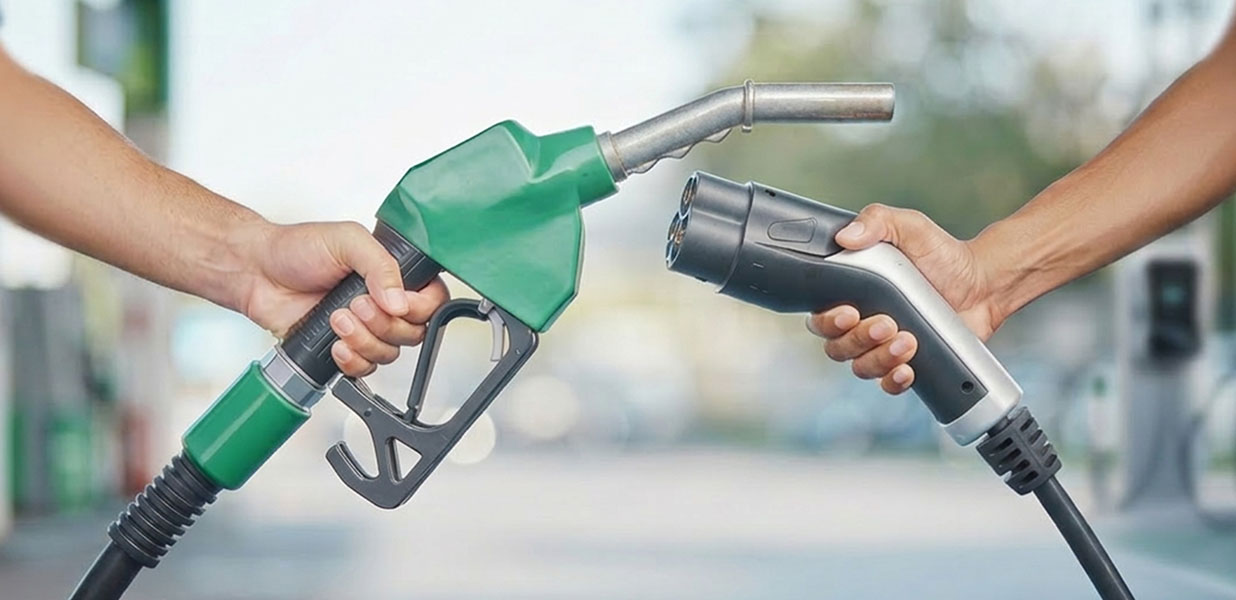

The calculus behind buying an electric vehicles (EV)opens in same window has typically followed a predictable formula: when gas prices spike, consumer interest in EVs reliably surges.
In 2026, new factors are impacting that historical correlation. While the average price of gasoline is at a four-year high, the price of electricity is also predicted to rise as the U.S. power grid faces unprecedented strain — driven by massive expansions in data centers supporting artificial intelligence, among other factors.
With the pump and the power grid facing simultaneous supply crunches, consumer perception and behavior around EVs are in flux.
Higher electricity prices trigger consumer skepticism
Traditionally, high gas prices acted as a catalyst for EV consideration. While online marketplaces like Edmunds report noticeable spikes in EV-related searches as fuel costs linger above $4 per gallon, converting that digital curiosity into actual sales is proving complex. The primary barrier seems to be a shift in how consumers calculate total cost of ownership.
According to data from the Bureau of Labor Statistics, while fuel costs are soaring, overall domestic utility and energy prices have also jumped by 17.9% over the past year. This parallel increase in utility rates has triggered a perception problem among non-EV owners, as seen in a consumer survey conducted by Bumper.com, which found:
- Nearly 67% of non-EV owners expect no immediate savings. Only 9% expected to save more than $1,000 per year.
- Because utility bills are rising alongside gas prices, over 80% of respondents stated that high fuel costs have not actively increased their desire to buy a new EV.
The psychological impact is clear: shoppers no longer view electricity as a universally “cheap” alternative to gas. Instead, they see two volatile energy sectors competing for their wallets.
The boom in used EVs
Despite the cooling sentiment around new electric vehicles, consumer behavior is shifting toward a different corner of the market: used EVs.
According to Cox Automotive, while a new EV carries an average transaction price of over $54,500, the used EV market has achieved a major milestone in affordability. Driven by a massive wave of nearly 300,000 vehicles coming off leases, the average used EV transaction price has fallen to $34,821. This sits within a $1,300 margin of an equivalent gas-powered used vehicle — the narrowest price gap on record.
| Market Metric (Q1 2026) | New EV Market | Used EV Market |
|---|---|---|
| Sales Trend Same page link to source reference * | Down ~27-28% YoY | Up 12% YoY |
| Average Transaction Price Same page link to source reference * | ~$54,508 | ~$34,821 |
| Drivers |
|
|
For cost-conscious buyers feeling the sting of gas prices, the used market provides the financial payback period that new vehicles currently lack.
“Range anxiety” gives way to “grid anxiety”
As EV technology has evolved, both the average driving range of most EVs and the public charging infrastructure have expanded — thus addressing overall consumer “range anxiety.” But this concern has been replaced by a new challenge: “grid anxiety.”
This fear is most likely rooted in headlines and public discussions about the uptick in large data centers — which can consume as much electricity as 100,000 households, putting a new strain on the grid that is predicted to impact both electricity pricing and potential emergency power mandates.
But industry data reveals a gap between public perception and actual energy consumption. While data center demand is expanding rapidly — projected by the U.S. Department of Energy to consume up to 12% of the nation’s electricity by 2028 — the commercial sector bears the brunt of this load. According to the International Energy Agency, residential vehicle charging remains a highly manageable option, particularly when utilizing off-peak overnight charging schedules.
The challenge for both consumers and automakers is navigating the rapidly-changing landscape to base purchasing decisions in reality.
In summary: High gas prices are no longer a silver bullet for EV adoption when utility grids are facing their own historic growth pressures. Moving forward, EV adoption will depend less on volatility at the pump and more on market fundamentals: product affordability, transparent cost-to-charge calculations, and secondary-market availability. For consumers navigating this double-sided energy crunch, the transition to electric is no longer an emotional reaction to high oil prices — it is a calculated decision based on the total cost of ownership.
To learn more about EVs, visit www.Chase.com/EVopens in same window.