
Show the Side Menu Menu button Menu button
CHASE CHASE CHASE icon CHASE icon Chase logo opens in same window
  • opens EV home page in same windowAbout EV
  • opens Charging and range page in same windowCharging & Range
  • opens upfront ongoing costs page in same windowUpfront & Ongoing Costs
  • Explore Vehiclesopens explore vehicles page in same window

    Rivianopens Rivian page in same window

    Subaruopens Subaru page in same window

  • Prequalify for financingopens in same window

    Shop for a caropens in same window

    Finance a caropens in same window

    Manage your caropens in same window

opens EV home page in same windowAbout EV

opens Charging and range page in same windowCharging & Range

opens upfront ongoing costs page in same windowUpfront & Ongoing Costs

Explore Vehiclesopens explore vehicles page in same window

Rivianopens Rivian page in same window

Subaruopens Subaru page in same window

Prequalify for financingopens in same window Shop for a caropens in same window Finance a caropens in same window Manage your caropens in same window

Article Detail Page

< Back to article library

Rising performance expectations shape EV market

Rising performance expectations shape EV market

A white car driving on a two-lane road during sunset and surrounding landscape A white car driving on a two-lane road during sunset and surrounding landscape

From the high-speed racetracks of Formula E to suburban driveways, the conversation around electric vehicles (EVs)opens in same window is shifting. For years, the EV discussion was dominated by range anxiety, charging logistics, and up-front cost concerns. Now that automakers have largely addressed these practical concerns, EVs are moving away from “niche” conversations and into the broader automotive market — where consumers focus on everyday conveniences and vehicle performance.

As the global market share for electric cars reaches roughly 25%, EV automakers are leaning heavily into the visceral, performance-driven attributes that define a great driving experience.


Instant speed

One of the most significant differences in performance between the electric drivetrain of an EV and internal combustion engines (ICEs) is the delivery of instant torqueopens in new window. Unlike internal combustion engine (ICE) vehicles, which require an engine to build revolutions per minute (RPM) to reach peak power, electric motors provide maximum torque the moment the accelerator is pressed.

This design attribute has redefined expectations for acceleration. It is no longer uncommon to see heavy, family-oriented electric SUVs and trucks posting 0-60 mph times that rival or exceed traditional supercars. In a recent test of acceleration capabilities, even a heavy, full-sized electric truck was shown to outperform high-performance vehicles from established sports car brands in a sprint to 60 mph.

This ‘off-the-line’ responsiveness can be more than a party trick, potentially making routine moves—like merging and overtaking—feel a bit more effortless.


Enhanced handling

Beyond raw speed, the physical architecture of electric vehicles can offer performanceopens in new window advantages. Because heavy battery packs are typically mounted low and centrally within the chassis, most EVs benefit from a lower center of gravity. This design choice does more than just keep the vehicle planted; it can significantly improve stability and make for more composed cornering.

By concentrating the weight low, engineers can also reduce the vehicle’s tendency to roll, which allows for suspension tuning that feels more agile. Furthermore, because electric powertrains eliminate the need for bulky mechanical tunnels—engineers have far more freedom to optimize suspension geometry. This flexibility enables the use of components and setups that prioritize precise, responsive handling.


Greater cabin comfort

By moving away from internal combustion engine layouts, engineers have gained design flexibility — allowing them to better help optimize the cabin space and comfort that drivers value. Examples of these optimizations include:

  • Skateboard-style architectures: Many modern EVs are built on a flat, “skateboard” platform which provides a flatter, roomier cabin with more legroom.
  • Increased wheelbase: Electric motors are smaller than traditional engines. This allows designers to push the wheels to the corners, which creates a longer wheelbase — the distance between the center of the front and rear wheels — giving passengers a lot more room to stretch out inside.
  • Advanced suspension: Since the electric drivetrain is so compact, engineers have more freedom to design a better suspension. By repositioning parts like moving the steering rack, they can create more interior space without sacrificing a smooth ride.
  • More headroom: While the floor is slightly raised to make room for the battery, the overall simplicity of an electric motor often means there’s more room to design a taller, airier cabin.

In summary: As the technology matures, the “EV” label is becoming less of a specialty category. By focusing on greater torque, enhanced handling, and creature comforts, automakers are no longer just building an electric alternative, but a car that competes on its own merits.

To learn more about EVs, visit www.Chase.com/EVopens in same window.

See more articlesopens in same window

Explore similar articles

10
A sales representative showing a charging cable to prospective electric vehicle owners A sales representative showing a charging cable to prospective electric vehicle owners

EVs don’t compromise on performance

Opens in the same window
Young couple in a car, travelling together Young couple in a car, travelling together

What is torque?

Opens in the same window
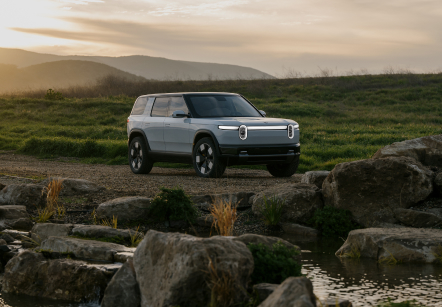
Rivian's latest electric mid-size SUV, the R2, parked in the wilderness Rivian's latest electric mid-size SUV, the R2, parked in the wilderness

Rivian unveils new R2 midsize SUV

Opens in the same window

This article is for educational purposes only and provides general auto information. The material is not intended to provide legal, tax, or financial advice or to indicate the availability or suitability of any JPMorgan Chase Bank, N.A. product or service. Outlooks and past performance are not guarantees of future results. Chase is not responsible for, and does not provide or endorse third party products, services or other content. For specific advice about your circumstances, you may wish to consult a qualified professional.

Skip Side Menu
close navigation×
    • opens in same windowGo to chase.com
    • About EVopens in same window
    • opens in same windowCharging & Range
    • opens in same windowUpfront & Ongoing Costs
    • opens in same windowExplore Electric Vehicles
    • Chase Autoopens in same window
    • Finance a caropens in same window
    • Refinance a caropens in same window
    • Shop for a caropens in same window
    • Manage your caropens in same window
    • Prequalify for financingopens in same window
    • Explore auto optionsopens in same window
  • CONNECT WITH CHASE
    • Customer Serviceopens in same window
    • Give feedbackopens in same window
    • Find ATM & Branchopens in same window
  • About Chaseopens in same window
  • J.P. Morganopens in same window
  • JPMorgan Chase & Co.opens in same window
  • Media Centeropens in same window
  • Careersopens in same window
  • Chase Canadaopens in same window
  • SAFE Act: Chase Mortgage Loan Originatorsopens in same window
  • Fair Lendingopens in same window
close navigation
Begin external link overlay.

You're now leaving Chase

Chase's website and/or mobile terms, privacy and security policies don't apply to the site or app you're about to visit. Please review its terms, privacy and security policies to see how they apply to you. Chase isn't responsible for (and doesn't provide) any products, services or content at this third-party site or app, except for products and services that explicitly carry the Chase name.

Proceed Button link opens in a new window
End external link overlay.
CHASE LOGO opens in the same window
Follow us:
  • Facebook icon links to Facebook site.
  • Instagram icon links to Instagram site.
  • X icon links to X site.
  • YouTube icon links to YouTube site.
  • LinkedIn icon links to LinkedIn site.
  • Pinterest icon links to Pinterest site.
Manage Your Auto Account
  • Chase Auto Account Resource Centeropens in same window
  • Auto Educationopens in same window
  • Aston Martin Financial Servicesopens in a new window
  • Enterprise Auto Financeopens in new window
  • Fisker Financeopens in new window
  • Jaguar Financial Groupopens in a new window
  • Land Rover Financial Groupopens in a new window
  • Maserati Capital USAopens in a new window
  • McLaren Financial Servicesopens in a new window
  • Rivian Financial Servicesopens in a new window
  • Subaru Motors Financeopens in a new window
More Chase Products
  • Credit Cardsopens in same window
  • Checking Accountsopens in same window
  • Savings Accountsopens in same window
  • Certificate of Depositsopens in same window
  • Home Lendingopens in same window
  • opens in same windowPlanning & Investments

“Chase,” “JPMorgan,” “JPMorgan Chase,” the JPMorgan Chase logo and the Octagon Symbol are trademarks of JPMorgan Chase Bank, N.A. JPMorgan Chase Bank, N.A. is a wholly-owned subsidiary of JPMorgan Chase & Co.

  • opens in same windowPrivacy
  • opens in same windowSecurity
  • opens in same windowTerms of use
  • opens in same windowOur commitment to accessibility
  • opens in same windowHelp for homeowners
  • opens in same windowSite map
  • AdChoices
  • Member FDIC
  • Equal Housing Opportunity iconEqual Housing Opportunity

© 2026 JPMorgan Chase & Co.