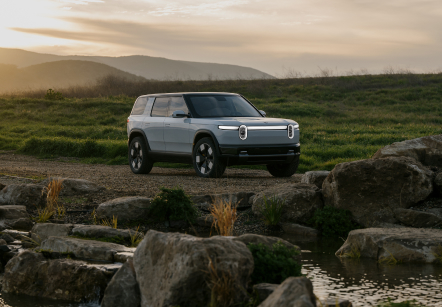

From the high-speed racetracks of Formula E to suburban driveways, the conversation around electric vehicles (EVs)opens in same window is shifting. For years, the EV discussion was dominated by range anxiety, charging logistics, and up-front cost concerns. Now that automakers have largely addressed these practical concerns, EVs are moving away from “niche” conversations and into the broader automotive market — where consumers focus on everyday conveniences and vehicle performance.
As the global market share for electric cars reaches roughly 25%, EV automakers are leaning heavily into the visceral, performance-driven attributes that define a great driving experience.
Instant speed
One of the most significant differences in performance between the electric drivetrain of an EV and internal combustion engines (ICEs) is the delivery of instant torqueopens in new window. Unlike internal combustion engine (ICE) vehicles, which require an engine to build revolutions per minute (RPM) to reach peak power, electric motors provide maximum torque the moment the accelerator is pressed.
This design attribute has redefined expectations for acceleration. It is no longer uncommon to see heavy, family-oriented electric SUVs and trucks posting 0-60 mph times that rival or exceed traditional supercars. In a recent test of acceleration capabilities, even a heavy, full-sized electric truck was shown to outperform high-performance vehicles from established sports car brands in a sprint to 60 mph.
This ‘off-the-line’ responsiveness can be more than a party trick, potentially making routine moves—like merging and overtaking—feel a bit more effortless.
Enhanced handling
Beyond raw speed, the physical architecture of electric vehicles can offer performanceopens in new window advantages. Because heavy battery packs are typically mounted low and centrally within the chassis, most EVs benefit from a lower center of gravity. This design choice does more than just keep the vehicle planted; it can significantly improve stability and make for more composed cornering.
By concentrating the weight low, engineers can also reduce the vehicle’s tendency to roll, which allows for suspension tuning that feels more agile. Furthermore, because electric powertrains eliminate the need for bulky mechanical tunnels—engineers have far more freedom to optimize suspension geometry. This flexibility enables the use of components and setups that prioritize precise, responsive handling.
Greater cabin comfort
By moving away from internal combustion engine layouts, engineers have gained design flexibility — allowing them to better help optimize the cabin space and comfort that drivers value. Examples of these optimizations include:
- Skateboard-style architectures: Many modern EVs are built on a flat, “skateboard” platform which provides a flatter, roomier cabin with more legroom.
- Increased wheelbase: Electric motors are smaller than traditional engines. This allows designers to push the wheels to the corners, which creates a longer wheelbase — the distance between the center of the front and rear wheels — giving passengers a lot more room to stretch out inside.
- Advanced suspension: Since the electric drivetrain is so compact, engineers have more freedom to design a better suspension. By repositioning parts like moving the steering rack, they can create more interior space without sacrificing a smooth ride.
- More headroom: While the floor is slightly raised to make room for the battery, the overall simplicity of an electric motor often means there’s more room to design a taller, airier cabin.
In summary: As the technology matures, the “EV” label is becoming less of a specialty category. By focusing on greater torque, enhanced handling, and creature comforts, automakers are no longer just building an electric alternative, but a car that competes on its own merits.
To learn more about EVs, visit www.Chase.com/EVopens in same window.