Show the Side Menu Menu button Menu button
CHASE CHASE CHASE icon CHASE icon Chase logo opens in same window
  • opens EV home page in same windowAbout EV
  • opens Charging and range page in same windowCharging & Range
  • opens upfront ongoing costs page in same windowUpfront & Ongoing Costs
  • Explore Vehiclesopens explore vehicles page in same window

    Rivianopens Rivian page in same window

    Subaruopens Subaru page in same window

  • Prequalify for financingopens in same window

    Shop for a caropens in same window

    Finance a caropens in same window

    Manage your caropens in same window

opens EV home page in same windowAbout EV

opens Charging and range page in same windowCharging & Range

opens upfront ongoing costs page in same windowUpfront & Ongoing Costs

Explore Vehiclesopens explore vehicles page in same window

Rivianopens Rivian page in same window

Subaruopens Subaru page in same window

Prequalify for financingopens in same window Shop for a caropens in same window Finance a caropens in same window Manage your caropens in same window

Article Detail Page

< Back to article library

The Technology Behind Electric Vehicles

The Technology Behind Electric Vehicles

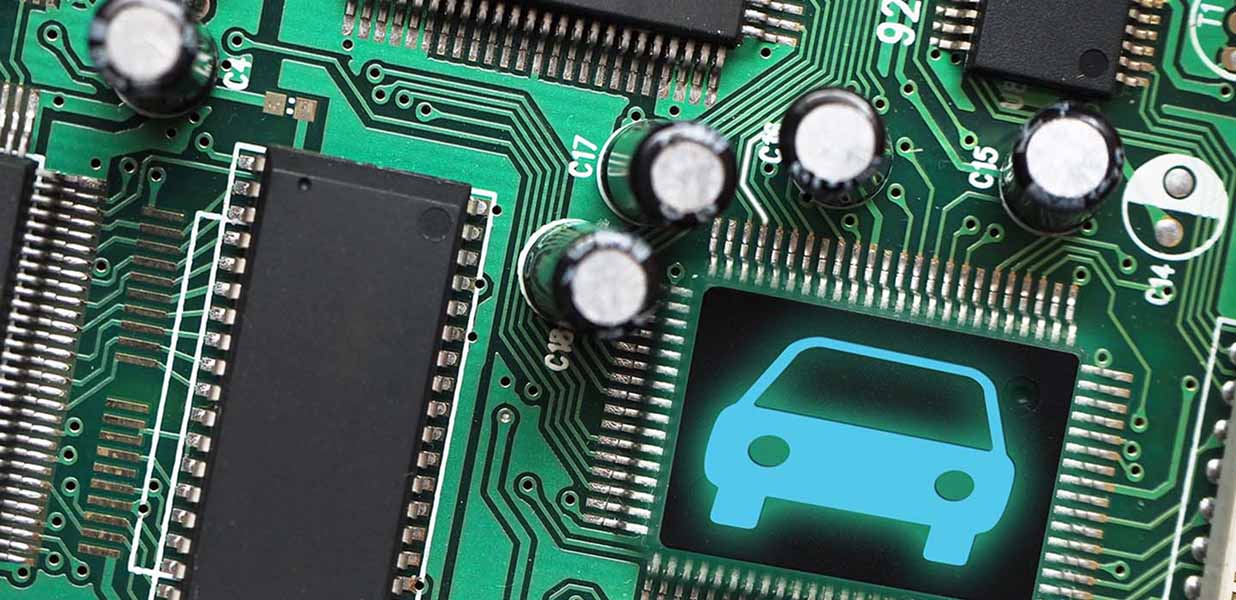
Close up of a microchip with a car icon on it Close up of a microchip with a car icon on it

Electric vehicles (EVs)opens in same window run on an electric motor powered by a battery that can be re-charged. They can be either "fully electric" or "hybrid electric," using a combination of an electric motor and a gas-powered engine to extend the range, but both types of EVs can be plugged into a wall outlet — similar to how you re-charge your cell phone.

But how does the technology in EVs really work? Here's a basic primer on the rechargeable batteries, electric motors and charging systems behind these vehicles.

Battery Pack: A car's battery stores energy and provides power to the vehicle's components, including its electric motor. It's the most important and expensive part of an electric vehicle. Within a battery packopens in new window, there are:

  • Battery cells: Typically made of lithium-ion, the battery cells are where the energy is stored.
  • Battery management systems: Using a combination of software and sensors, battery management systems constantly monitor and manage the battery's condition and charge level to maximize performance and life span.
  • Cooling and thermal management systems: These systems keep batteries cool in the summer and warm in the winter to ensure optimal conditions.

Charge Port: You know that slot on your phone where you plug in your charger? EVs have one, too. The "charge port" is where EVs receive energy when connected to a charging cable. That cable can be plugged into a simple wall outlet, or into a more powerful commercial charging stationopens in new window — the only difference being the speed at which electricity is delivered through the charge port.

Chargers: While the "port" is on the car, the "charger" is what's on the other end of the cord — in other words, the type of outlet you plug your car into. There are three levels of EV chargersopens in the same window:

  • Level 1: This standard, 120-volt outlet charges EVs at the slowest rate — around 2-5 miles per hour — and is typically only used in a pinch, as it could take 40-50 hours to fully charge the vehicle.
  • Level 2: These 240-volt outlets — commonly used for clothes dryers, ovens and air conditioners in most households — can charge EVs much faster, at a rate of 10-20 miles per hour. Most EV owners have this type of charger installed in their garage, facilitating an easy overnight charge.
  • Level 3: These chargers are only available at public charging stations because of the high level of voltage involved. Level 3 chargers generally take 20-60 minutes to bring batteries from 10% to 80% charge.

Inverter: The inverter is the unsung hero of the electric car. Batteries store DC power, which flows in a single direction, but engines rely on AC power, which moves in a wave-like pattern. The inverter slices and dices the electrons, converting them from DC power to the AC power the motor needs to run. Inverters also help to control an EV's speed through the pace it sends power to the motor.

Electric traction motor: These specialized motors are designed for high-torque uses and often deployed in cars and trains. The motor is made of two main parts — the stator and the rotor. The stator is usually made of copper coils looped around an iron core. The rotor is a rotating part that usually has magnets on it.

When the traction motor receives power, the electric current creates a magnetic field when it flows through the stator's coils. The magnetic field and magnets on the rotor cause the rotor to spin, a motion that generates the mechanical energy that drives the car forward.

Regenerative Braking System: Most EVs supplement the power received from electrical outlets with additional power gathered from the car's own braking system. These "regenerative brakingopens in new window" systems convert the kinetic energy from braking into electrical energy and store it in the battery to be used later.

Vehicle Control Unit: The vehicle control unit is a car's "brain," bringing together data from the motor, battery, charging systems and more to ensure the car operates safely and efficiently.

In summary: The technology used in EVs is both similar and different from that used in internal combustion vehicles. Much like internal combustion vehicles store gasoline in a tank to power an engine, EV technology stores electricity in a battery to power an electric motor. Both types of vehicles require regular refueling — through either a gas hose or an electrical cord — and both types run more efficiently when the temperature is regulated (not too hot, not too cold). Either way, you're moving forward.

To learn more about EVs, visit www.Chase.com/EVopens in the same window.

See more articlesopens in same window

Explore similar articles

9
A mechanic in a garage speaks to a man about his Subaru electric vehicle A mechanic in a garage speaks to a man about his Subaru electric vehicle

How to find the best electric car mechanic

Opens in the same window
A woman leans against her Subaru electric vehicle as it charges A woman leans against her Subaru electric vehicle as it charges

Electric car maintenance, explained

Opens in the same window
A man attaching the charger from an electric vehicle charging port in front of a sunset A man attaching the charger from an electric vehicle charging port in front of a sunset

How does hot weather affect EV range: Tips for reducing the risk

Opens in the same window

This article is for educational purposes only and provides general auto information. The material is not intended to provide legal, tax, or financial advice or to indicate the availability or suitability of any JPMorgan Chase Bank, N.A. product or service. Outlooks and past performance are not guarantees of future results. Chase is not responsible for, and does not provide or endorse third party products, services or other content. For specific advice about your circumstances, you may wish to consult a qualified professional.

Skip Side Menu
close navigation×
    • opens in same windowGo to chase.com
    • About EVopens in same window
    • opens in same windowCharging & Range
    • opens in same windowUpfront & Ongoing Costs
    • opens in same windowExplore Electric Vehicles
    • Chase Autoopens in same window
    • Finance a caropens in same window
    • Refinance a caropens in same window
    • Shop for a caropens in same window
    • Manage your caropens in same window
    • Prequalify for financingopens in same window
    • Explore auto optionsopens in same window
  • CONNECT WITH CHASE
    • Customer Serviceopens in same window
    • Give feedbackopens in same window
    • Find ATM & Branchopens in same window
  • About Chaseopens in same window
  • J.P. Morganopens in same window
  • JPMorgan Chase & Co.opens in same window
  • Media Centeropens in same window
  • Careersopens in same window
  • Chase Canadaopens in same window
  • SAFE Act: Chase Mortgage Loan Originatorsopens in same window
  • Fair Lendingopens in same window
close navigation
Begin external link overlay.

You're now leaving Chase

Chase's website and/or mobile terms, privacy and security policies don't apply to the site or app you're about to visit. Please review its terms, privacy and security policies to see how they apply to you. Chase isn't responsible for (and doesn't provide) any products, services or content at this third-party site or app, except for products and services that explicitly carry the Chase name.

Proceed Button link opens in a new window
End external link overlay.
CHASE LOGO opens in the same window
Follow us:
  • Facebook icon links to Facebook site.
  • Instagram icon links to Instagram site.
  • X icon links to X site.
  • YouTube icon links to YouTube site.
  • LinkedIn icon links to LinkedIn site.
  • Pinterest icon links to Pinterest site.
Manage Your Auto Account
  • Chase Auto Account Resource Centeropens in same window
  • Auto Educationopens in same window
  • Aston Martin Financial Servicesopens in a new window
  • Enterprise Auto Financeopens in new window
  • Fisker Financeopens in new window
  • Jaguar Financial Groupopens in a new window
  • Land Rover Financial Groupopens in a new window
  • Maserati Capital USAopens in a new window
  • McLaren Financial Servicesopens in a new window
  • Rivian Financial Servicesopens in a new window
  • Subaru Motors Financeopens in a new window
More Chase Products
  • Credit Cardsopens in same window
  • Checking Accountsopens in same window
  • Savings Accountsopens in same window
  • Certificate of Depositsopens in same window
  • Home Lendingopens in same window
  • opens in same windowPlanning & Investments

“Chase,” “JPMorgan,” “JPMorgan Chase,” the JPMorgan Chase logo and the Octagon Symbol are trademarks of JPMorgan Chase Bank, N.A. JPMorgan Chase Bank, N.A. is a wholly-owned subsidiary of JPMorgan Chase & Co.

  • opens in same windowPrivacy
  • opens in same windowSecurity
  • opens in same windowTerms of use
  • opens in same windowOur commitment to accessibility
  • opens in same windowHelp for homeowners
  • opens in same windowSite map
  • AdChoices
  • Member FDIC
  • Equal Housing Opportunity iconEqual Housing Opportunity

© 2026 JPMorgan Chase & Co.